Give ingredients a consistent shape
Similar-size pieces tend to cook at a similar pace. When preparing vegetables, potatoes, fruit, or proteins, aim for reasonably even cuts so smaller pieces do not finish long before larger ones.
Thoughtful techniques for getting more from the appliances that shape everyday cooking. From crisp air-fried dinners to calm coffee rituals, the best results often begin with a few small decisions made before the machine starts.
This guide brings together practical habits for air fryers, toaster ovens, electric grills, blenders, food processors, coffee makers, juicers, electric kettles, toasters, and waffle makers. Use it as a flexible reference rather than a rigid recipe book, and always pair general guidance with the instructions supplied with your specific appliance.
Small appliances work fastest when the food, the vessel, and the machine are prepared for the same result.
Similar-size pieces tend to cook at a similar pace. When preparing vegetables, potatoes, fruit, or proteins, aim for reasonably even cuts so smaller pieces do not finish long before larger ones.
Excess water can work against browning and crispness. Pat ingredients dry when a crisp exterior is the goal, while preserving moisture when blending, juicing, or gently reheating foods that benefit from softness.
Air fryers, toaster ovens, and grills rely on circulation around food and around the appliance itself. Avoid overcrowding cooking surfaces, and maintain the clearances specified in your product manual.
A hot cooking environment can help browning start quickly. For foods where crust, toast, or searing matters, use the preheat guidance provided by the appliance manufacturer rather than relying on one universal rule.
Salt, spices, acidity, aromatics, and finishing ingredients play different roles. Light seasoning before cooking and a final taste after cooking often creates a more balanced result than adding everything at one stage.
Countertop appliances can cook differently from full-size ovens and stovetops. When trying a new ingredient or portion size, begin checking before the expected finish time and adjust in small increments.

Before heating an appliance, gather the ingredients, tools, serving plates, and seasonings you will need. This simple habit reduces rushed movements around hot surfaces and makes short cooking cycles much easier to manage.
A well-arranged counter makes quick cooking feel slower, calmer, and more deliberate.
Each type of appliance rewards a slightly different habit. Use these notes as starting points, then follow the temperature limits, capacities, accessories, and operating instructions for your specific model.
For more even browning, keep pieces similar in size and avoid packing the basket so tightly that air cannot circulate around the food. A light coating of oil may help some ingredients brown, but more oil does not automatically mean more crispness.
Rack position changes how strongly food is exposed to upper and lower heating elements. Use the placement recommended for baking, broiling, roasting, or toasting, and give the oven enough time to stabilize if the selected function calls for preheating.
Dry surfaces help encourage browning. Preheat according to the manual, avoid pressing food repeatedly, and give it time to develop contact with the cooking plate before moving it. For proteins, verify safe doneness using an appropriate food thermometer.
Layering ingredients can help establish a smoother vortex. Unless your appliance instructions specify otherwise, liquids and softer ingredients generally help moving blades pull firmer ingredients toward the center more efficiently.
Pulsing gives you more control than continuous processing when texture matters. Use short bursts for chopped vegetables, nuts, crumbs, and mixtures where you want distinct pieces rather than a uniform paste.
Consistency begins with fresh water, a clean brewing path, and repeatable measurements. Coffee strength can be adjusted by the relationship between coffee, water, grind size, and the brewing method rather than by changing one variable dramatically.
Wash produce well and cut ingredients to the size recommended by your juicer. Alternating softer and firmer produce can support a steadier workflow, while forcing ingredients too quickly may reduce efficiency or strain the appliance.
Fill only within the marked capacity range and use the temperature options provided by your model when different drinks benefit from different water temperatures. Keep the base and electrical connection dry at all times.
Bread thickness, moisture, sugar, and density all influence browning. A setting that suits a dry sandwich slice may behave differently with artisan bread, bagels, or enriched breads, so treat browning controls as a flexible starting point.
A properly heated cooking surface helps batter set with defined edges. Avoid overfilling the plates, allow steam to escape naturally, and resist opening the lid too early while the waffle structure is still forming.
Air fryers, toaster ovens, and electric grills may look different, but they share one important idea: heat has to reach the food effectively. Crowding, excess moisture, thick coatings, or constant opening can interrupt that process.
A little separation between pieces can improve exposure to moving hot air and reduce trapped steam. Work in batches when necessary rather than treating capacity as a target that must always be filled.
Thin, even coatings usually behave more predictably than heavy layers. When using oil, marinades, crumbs, or batter, apply only what the recipe and appliance can handle safely.
Turning or shaking can expose new surfaces to heat, but unnecessary movement may interrupt browning. Follow recipe cues and use visual progress rather than opening the appliance constantly.
Food can continue changing after it leaves a hot tray or grill surface. Resting time can help proteins settle, baked foods set, and crisp foods release a little excess steam.
Browning, bubbling, steam, and texture provide useful information. Timers are important, but sensory cues help you adjust when ingredient size or starting temperature changes.
When crispness matters, avoid trapping freshly cooked food beneath a tight cover. Give steam a path to escape until you are ready to serve.
Smooth is not always the goal. A creamy soup, chunky salsa, finely chopped vegetables, nut crumb, smoothie, and sauce all need different degrees of mechanical action.
Coffee makers, kettles, toasters, juicers, and waffle makers reward repeatable routines. Keep the setup simple, clean the working parts regularly, and adjust one variable at a time when you want to improve the result.
For coffee, record the combination of coffee, water, grind, and machine setting that produces a cup you enjoy. For tea and other hot drinks, use your kettle's temperature controls when available and follow the recommendations for the beverage you are preparing.
For juice, prepare produce before switching on the machine and feed ingredients at the pace recommended by the manufacturer. For every beverage appliance, regular cleaning protects flavor as much as it protects the machine.
See the daily routineThick, thin, fresh, frozen, dense, and enriched breads brown differently. Begin conservatively with unfamiliar bread and adjust the next cycle rather than assuming one setting suits every loaf.
Waffle cooking releases visible steam. As cooking progresses, that steam often changes. Use the appliance's indicator system first, then combine it with visual observation once you understand how your preferred batter behaves.
Old crumbs, oils, coffee residue, pulp, mineral deposits, and dried batter can influence performance, aroma, and flavor. Short, regular cleaning sessions are usually easier than waiting until buildup becomes difficult to remove.
Always consult the care instructions for your specific product before placing any component in a dishwasher, soaking it, using abrasive cleaners, or removing fixed parts.
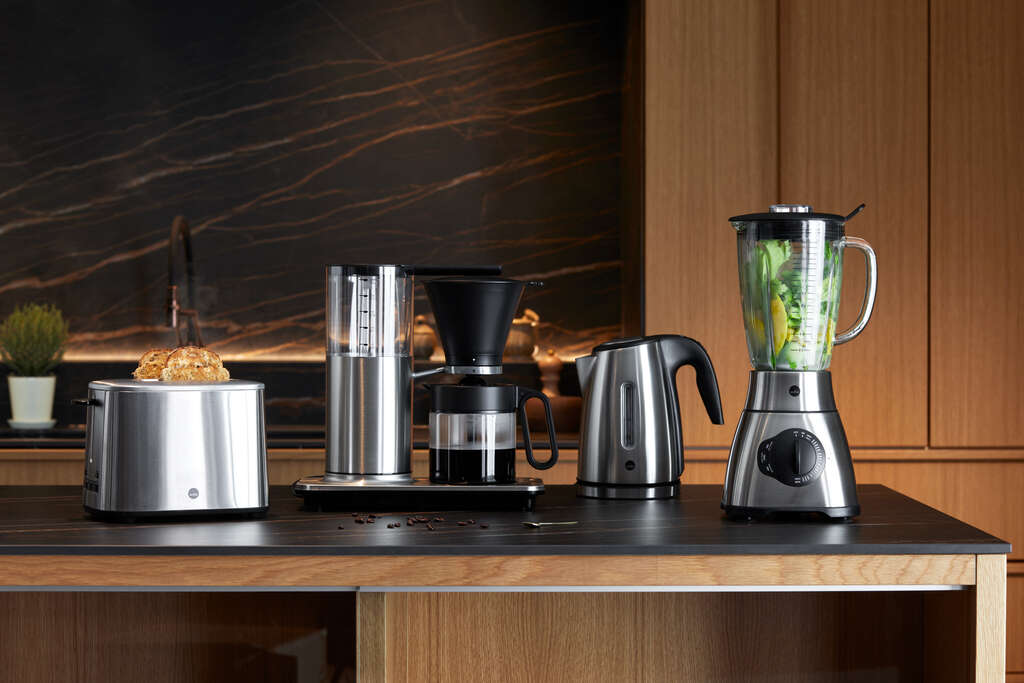
These techniques are intentionally simple. They are designed to help you notice what your food and appliance are doing so you can make useful adjustments without overcomplicating the process.
Remove unnecessary surface moisture from foods when a browned or crisp exterior is the goal.
Similar thickness helps ingredients reach a finished texture at roughly the same time.
Give hot air and heat access to the surfaces that need browning.
New recipes deserve an early look because ingredient size and appliance behavior can vary.
Short controlled processing makes it easier to stop at a chunky or coarse texture.
Heat changes sweetness, acidity, salt perception, and aroma, so final seasoning matters.
Freshly crisped foods soften when trapped beneath steam, so transfer them thoughtfully.
When refining a recipe, adjust one variable so you can tell what actually improved the result.
Short appliance recipes move quickly, so know when ingredients need to be added, turned, rested, or transferred before cooking starts.
Pre-measuring liquids, grains, coffee, batter, seasonings, and oils reduces corrections later.
Keep a heat-safe surface available before removing hot baskets, trays, grill plates, kettles, or carafes.
Separate utensils can help preserve crisp coatings, prevent clumping, and keep breading stations tidier.
Apply only what the cooking method needs, especially in appliances designed to use rapid hot-air circulation.
Use utensils approved for your cooking surface and avoid abrasive tools that may damage finishes.
Never reach into a blender or processor vessel while blades are moving or while the appliance is connected contrary to its safety instructions.
Some blending vessels are not intended for very hot contents. Always follow the temperature and fill limits stated for your appliance.
Fresh herbs, tender greens, and some aromatics can retain more character when added near the end.
A small amount of citrus or another suitable acidic ingredient can brighten dishes that taste heavy or flat.
A short rest after cooking can help juices redistribute. Use safe cooking temperatures and handling practices for the specific protein.
Stacking can trap steam between layers and soften the surfaces you worked to brown.
Opening a waffle maker too early may interrupt the structure before it has fully formed.
It is easier to add a little more browning than to reverse an overly dark slice.
Repeatable measurements make it easier to adjust flavor deliberately instead of guessing each morning.
Fresh, suitable drinking water supports a cleaner flavor in coffee, tea, and other hot beverages.
When compatible with your machine, alternating firmer and softer produce can support a steadier feed through the juicing system.
Fresh residue is usually easier to remove than pulp that has dried onto strainers and removable parts.
Follow your toaster's cleaning instructions so accumulated crumbs do not remain around heating areas.
Heated surfaces and removable cooking components should reach a safe handling temperature first.
Multi-function appliances become easier to use when you understand one mode before combining several cooking approaches.
A short note about temperature, time, portion, and result can turn a good experiment into an easy repeat meal.
Very cold ingredients may behave differently from room-temperature ingredients, particularly in short cooking cycles.
Layering seasoning gives you a chance to build flavor before cooking and refine balance before serving.
A timer can signal when to inspect the food rather than functioning as an unquestionable finish line.
Arrange cords, handles, trays, and baskets so they are less likely to be bumped during busy meal prep.
Never block the vents your appliance relies on for safe heat management and normal operation.
Position power cords according to manufacturer guidance and away from hot surfaces or sharp edges.
Trays, baskets, racks, blades, and attachments are designed for particular functions and should be used according to the product manual.
A crisp topping, fresh herb, squeeze of citrus, or final seasoning can bring contrast without adding another complicated step.
Cooking guidance on this page is general. Appliance capacities, heat limits, minimum clearances, approved accessories, cleaning methods, food restrictions, and operating procedures can vary by model.
Always follow the instructions supplied with your appliance. Use appropriate food-safety practices, verify safe internal temperatures where required, keep electrical components away from water, and discontinue use if a product appears damaged or operates abnormally.
Children and anyone requiring assistance should only use kitchen appliances with appropriate supervision and in accordance with the manufacturer's safety guidance.
Each answer stays closed until you choose to open it, keeping the page clean while giving you more detail when you need it.
Not necessarily. Some recipes and appliances benefit from preheating while others are designed to begin from a cold start. Follow the guidance for your specific air fryer and recipe, particularly when browning or precise timing matters.
Common factors include excess surface moisture, overcrowding, too much coating, insufficient heat, or steam becoming trapped after cooking. Try drying ingredients, leaving more space, and transferring finished food to a surface that allows excess steam to escape.
Use short pulses and inspect the texture between bursts. Food processors can move from coarse to finely processed very quickly, so stopping early gives you more control.
Focus on balance rather than simply adding more ingredients. Combine enough liquid for circulation with fruit, vegetables, or other compatible ingredients, then adjust thickness in small amounts. Follow your blender's instructions for layering and frozen ingredients.
Moisture, thickness, density, sugar content, and starting temperature all influence browning. Use a lighter setting when testing an unfamiliar bread, then adjust gradually.
Avoid stacking hot waffles immediately because trapped steam can soften them. If appropriate for your recipe, place finished waffles in a single layer on a wire rack while you prepare the remaining batch.
Clean food-contact surfaces and removable parts as recommended after use, and perform deeper maintenance such as crumb removal or descaling according to the appliance manual. Frequency can vary depending on what you prepare and how often you use the product.
Cooking times are not always interchangeable. Appliance power, cavity size, airflow, heating-element placement, food quantity, and starting temperature can all affect the result. Treat published times as guidance and monitor food appropriately.
Record what happened and reduce the next cycle in a controlled way. Check food earlier, keep the portion size consistent, and change one variable at a time so you can identify the adjustment that works.
Not automatically. Many air-fried foods need little or no added oil, while some benefit from a light, even coating. Use an amount appropriate for the food, recipe, and appliance instructions.
Use repeatable measurements, fresh water, a clean coffee maker, and a consistent coffee product and grind. Once you have a reliable baseline, adjust one factor at a time to refine strength and flavor.
Fresh juice is often enjoyed soon after preparation for its brightest flavor and aroma. If you store it, use appropriate food-safety practices, refrigeration, and a suitable clean container.
Our store experience is designed to stay straightforward from browsing through delivery and after-purchase support.
Help is available around the clock when you need assistance.
Every product ships free within our supported service area.
Standard order delivery is expected within 3–5 business days.
Subscribers can enjoy our featured 15% savings offer.
Eligible returns and exchanges are free within 30 days.
Good cooking is a sequence of small observations. Notice how an ingredient responds, keep what works, adjust what does not, and build a routine that feels natural in your kitchen.
Return to the top