Purpose
A product should solve a recognizable kitchen task and clearly communicate its intended household use.
Heatelle curates kitchen small appliances and countertop essentials with a practical standard in mind: products should feel intuitive, appropriate for everyday home routines, clearly presented, and supported by useful information that helps customers make confident decisions.
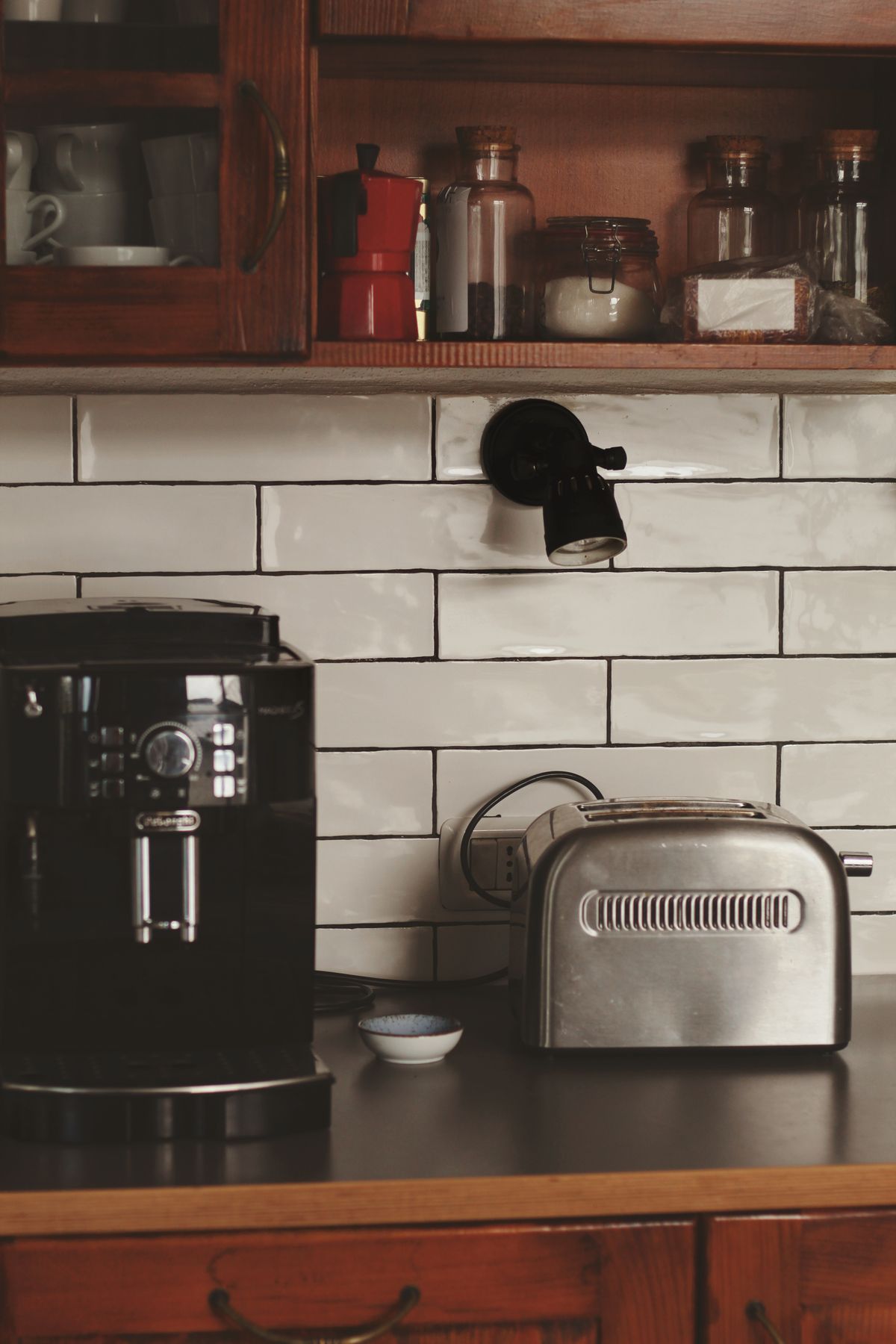
Kitchen appliances earn their place on the counter by being useful, understandable, and appropriate for the task they are designed to perform. Heatelle approaches product presentation from that practical perspective.
We favor products with an identifiable everyday purpose, understandable operating controls, useful capacity information, clear accessory descriptions, and care expectations that customers can evaluate before purchasing.
Before a product is presented within the Heatelle assortment, available product information is reviewed for intended use, main functions, stated electrical characteristics, disclosed materials, package contents, dimensions, cleaning guidance, and customer-facing instructions.
Product documentation can vary by manufacturer and model. For that reason, this page explains Heatelle's general product standards rather than replacing model-specific operating instructions.
A product should solve a recognizable kitchen task and clearly communicate its intended household use.
Controls, capacities, accessories, and everyday operating steps should be understandable before purchase.
Meaningful specifications should be communicated plainly so customers can compare products more confidently.
Available information about jars, baskets, plates, trays, containers, and food-contact components should be easy to understand.
Heat, moving blades, steam, hot liquids, electrical power, and hot surfaces require category-appropriate guidance.
Cleaning, routine maintenance, storage, and customer support are part of a complete ownership experience.
Kitchen appliances use different combinations of metal, glass, plastic, coatings, seals, heating surfaces, containers, blades, and removable components. These materials should be considered in the context of the exact appliance.
An air-fryer basket, blender jar, kettle interior, coffee reservoir, waffle plate, and food-processor bowl perform different jobs. Material and care information should therefore be reviewed at the model level.
We look for useful information about components intended to hold, mix, heat, brew, toast, press, chop, or otherwise contact food and beverages.
Coated cooking surfaces can require specific utensils and cleaning methods. Product guidance should make those care expectations easier to understand.
Where relevant, we look for information identifying which parts can be removed for cleaning and how the manufacturer recommends caring for them.
Components positioned near heating elements, hot plates, steam paths, or boiling liquids require suitable handling and cooling instructions.
Some new appliances require washing, rinsing, ventilation, or an empty heating cycle before normal use. Follow the exact manual supplied with the product.
Countertop appliances combine electricity, heat, motors, moving components, blades, water, steam, and hot surfaces in different ways. Responsible operation begins with the exact instructions for the product being used.
Review voltage, wattage, plug, outlet, and power information for the exact model rather than assuming similar appliances have identical requirements.
Heated appliances may require clearance around vents and external surfaces. Keep ventilation paths unobstructed as directed.
Keep powered bases, plugs, cords, and electrical components away from water unless the manufacturer specifically states otherwise.
Blenders, food processors, and some juicers contain sharp components. Follow assembly, removal, cleaning, and storage guidance.
Air fryers, toaster ovens, grills, waffle makers, kettles, and toasters can retain significant heat during and after operation.
Discontinue normal use if a critical cord, housing, plug, container, basket, handle, plate, or control appears materially damaged.
We prefer product features connected to understandable kitchen tasks: heating, browning, blending, chopping, brewing, extracting, boiling, toasting, and everyday cooking.
Capacity, program count, temperature range, accessories, timers, speed settings, and specialty modes can all add value, but only when customers can understand how those features affect everyday operation.
Actual results can vary with ingredient quantity, starting temperature, food size, recipe, load distribution, preheating, altitude, household power conditions, cleaning, and user technique.
For that reason, preset programs and published cooking times should be treated as useful starting points rather than universal guarantees for every recipe or household environment.
A feature matters most when a customer can understand when to use it, what it changes, and whether it makes a daily kitchen routine simpler, faster, or more flexible.

| Category | What We Prioritize | What Customers Should Compare |
|---|---|---|
| Air Fryers | Understandable heat controls, usable basket design, airflow awareness, stable placement, and practical cleaning access. | Capacity, temperature range, program controls, basket dimensions, countertop footprint, and care method. |
| Toaster Ovens | Clear cooking-mode selection, practical rack and tray access, heat management, and usable interior dimensions. | Interior capacity, rack positions, temperature range, included trays, exterior size, and clearance needs. |
| Electric Grills | Stable cooking surfaces, understandable temperature controls, grease management, and straightforward plate care. | Cooking area, temperature adjustment, plate type, drainage design, removable parts, and storage footprint. |
| Blenders | Control clarity, secure jar fit, blade-handling guidance, stable operation, and practical container capacity. | Jar material, capacity, speed settings, pulse function, included cups, and cleaning instructions. |
| Food Processors | Secure assembly, understandable attachment use, safe blade and disc handling, and practical processing bowls. | Bowl capacity, feed chute, included blades and discs, speed options, storage, and cleaning method. |
| Coffee Makers | Simple brewing controls, easy water access, cleanable components, and clearly stated beverage capacity. | Brew volume, carafe type, filter format, warming features, programmability, and descaling guidance. |
| Juicers | Feed-path clarity, secure assembly, pulp handling, juice collection, and manageable cleanup. | Juicing method, chute size, pulp container, speed settings, cleaning tools, and removable parts. |
| Electric Kettles | Stable base design, clear fill limits, controlled pouring, understandable controls, and heat-safe handling. | Capacity, temperature control, keep-warm function, interior material, lid design, and base configuration. |
| Toasters | Reliable slot operation, understandable browning control, crumb access, and appropriate hot-surface awareness. | Slot count, slot width, browning levels, reheat options, crumb tray, and exterior dimensions. |
| Waffle Makers | Practical plate contact, useful readiness cues, sensible heat control, and convenient cleaning access. | Waffle style, plate size, browning adjustment, indicator design, removable plates, and storage orientation. |
Each appliance category requires a different set of meaningful specifications. Our editorial approach remains consistent: explain the core task, highlight useful differences, identify care expectations, and keep the shopping experience understandable.
Capacity, heat range, airflow, basket design, countertop clearance, and cleanup.
Interior dimensions, cooking modes, trays, rack positions, heat management, and cleanability.
Cooking surface, temperature control, grease management, plate finish, stability, and storage.
Jar capacity, blade handling, lid fit, speed settings, pulse control, and cleaning.
Bowl fit, attachment use, feed chute, blades, discs, storage, and cleaning access.
Brew capacity, reservoir access, filter style, carafe design, warming, and descaling.
Juicing method, feed path, pulp handling, assembly, removable parts, and cleanup.
Fill markings, temperature settings, pouring control, base stability, lid design, and descaling.
Slot dimensions, browning control, crumb access, lift function, reheat modes, and exterior size.
Plate format, browning control, readiness indicators, cleanup, storage, and handling.
Product standards are not a single badge or marketing phrase. They are a sequence of practical information checks designed to make the shopping journey more understandable.
We begin with what the appliance is intended to accomplish and which kitchen routine it supports.
Capacity, controls, dimensions, power information, materials, accessories, and care instructions are considered where provided.
Heat, steam, water, blades, ventilation, moving components, and cleaning needs are reviewed according to product type.
Accessories, trays, baskets, filters, jars, lids, plates, and attachments should be described when included with a model.
When capacities, modes, sizes, materials, accessories, or other specifications differ, product information should make those variations understandable.
Heatelle provides 24/7 customer support for order questions and clarification of product information presented on our store.
The product experience begins before the appliance is switched on. Customers should inspect an order after arrival, confirm important components, and review first-use instructions before normal operation.
Look for significant crushing, punctures, moisture, or other obvious shipping damage before discarding the original packaging.
Compare the appliance, accessories, removable components, and documentation with the items described for the exact product model.
Check the cord, plug, housing, handles, jars, baskets, lids, plates, bases, and other important components before operation.
Follow any recommended washing, rinsing, ventilation, assembly, preheating, or empty-cycle procedure before normal kitchen use.
Good appliance care supports cleaner operation, more predictable performance, and a better everyday experience. Exact cleaning procedures should always follow the instructions for the model.
Allow heated appliances and removable cooking parts to cool appropriately before cleaning, disassembly, handling, or storage.
Abrasive pads, harsh cleaners, or metal utensils may damage certain surfaces. Follow the specific care instructions.
Grease, crumbs, dust, packaging, and nearby objects should not obstruct ventilation areas or cooling paths.
Kettles, coffee makers, and other water-handling products can accumulate mineral scale. Follow recommended descaling guidance.
Keep model-specific filters, trays, blades, baskets, lids, plates, and attachments organized for future use.
Do not continue normal operation with visibly damaged, cracked, warped, frayed, broken, or compromised critical components.
Product information is only one part of the customer experience. Heatelle also maintains clear store-level service commitments designed to make purchasing kitchen appliances simpler.
Customer assistance is available around the clock for order questions and product-information clarification.
All Heatelle products currently include free shipping under our store policy.
Our current delivery target is three to five business days for customer orders.
Subscribers can access Heatelle's current subscriber offer as presented by the store.
Free returns and exchanges are available within 30 days under the current Heatelle policy.
Questions remain closed until selected, keeping the page calm, organized, and easy to scan.
No. An electric kettle, blender, air fryer, coffee maker, toaster oven, and food processor have different functions and different use considerations. Heatelle applies a consistent review framework while evaluating category-specific details separately.
No. Materials can vary by model, component, capacity, finish, and supplier. Customers should review the exact product description and manufacturer documentation for the product they purchase.
Presets and published times can provide useful starting points, but actual results may vary with ingredient size, quantity, starting temperature, recipe, load arrangement, and personal preference.
Inspect the appliance, confirm the package contents, remove protective materials, read the manual, and follow any first-use washing, rinsing, ventilation, assembly, or empty-cycle instructions.
Follow the product-specific instructions supplied with your exact model. This page describes Heatelle's general product-review and merchandising approach and does not replace manufacturer instructions or model-specific warnings.
Keep the packaging, avoid operating an appliance that appears materially damaged, document the issue, and contact Heatelle so the order can be reviewed under the applicable store policy.
Yes. Heatelle's current service commitment includes 24/7 customer support for order questions and clarification of product information shown on the store.
Heatelle currently provides free returns and exchanges within 30 days according to our applicable store policy and eligibility requirements.
If a specification, accessory, material description, capacity, care instruction, or order detail is unclear, Heatelle support is available 24/7 to help with store and order questions.