5 Minutes
Reset the station
Clear the main preparation area, empty the sink when possible, set out one cutting board, and place only the ingredients needed for the next task.
Less visual noise
A practical approach to faster breakfasts, simpler lunches, calmer weeknight dinners, and more efficient food preparation without turning your kitchen into a production line.
Quick meal prep is less about rushing and more about removing unnecessary steps. With a thoughtful sequence, reliable ingredients, and appliances matched to specific jobs, everyday cooking can become easier to begin, easier to finish, and easier to repeat.
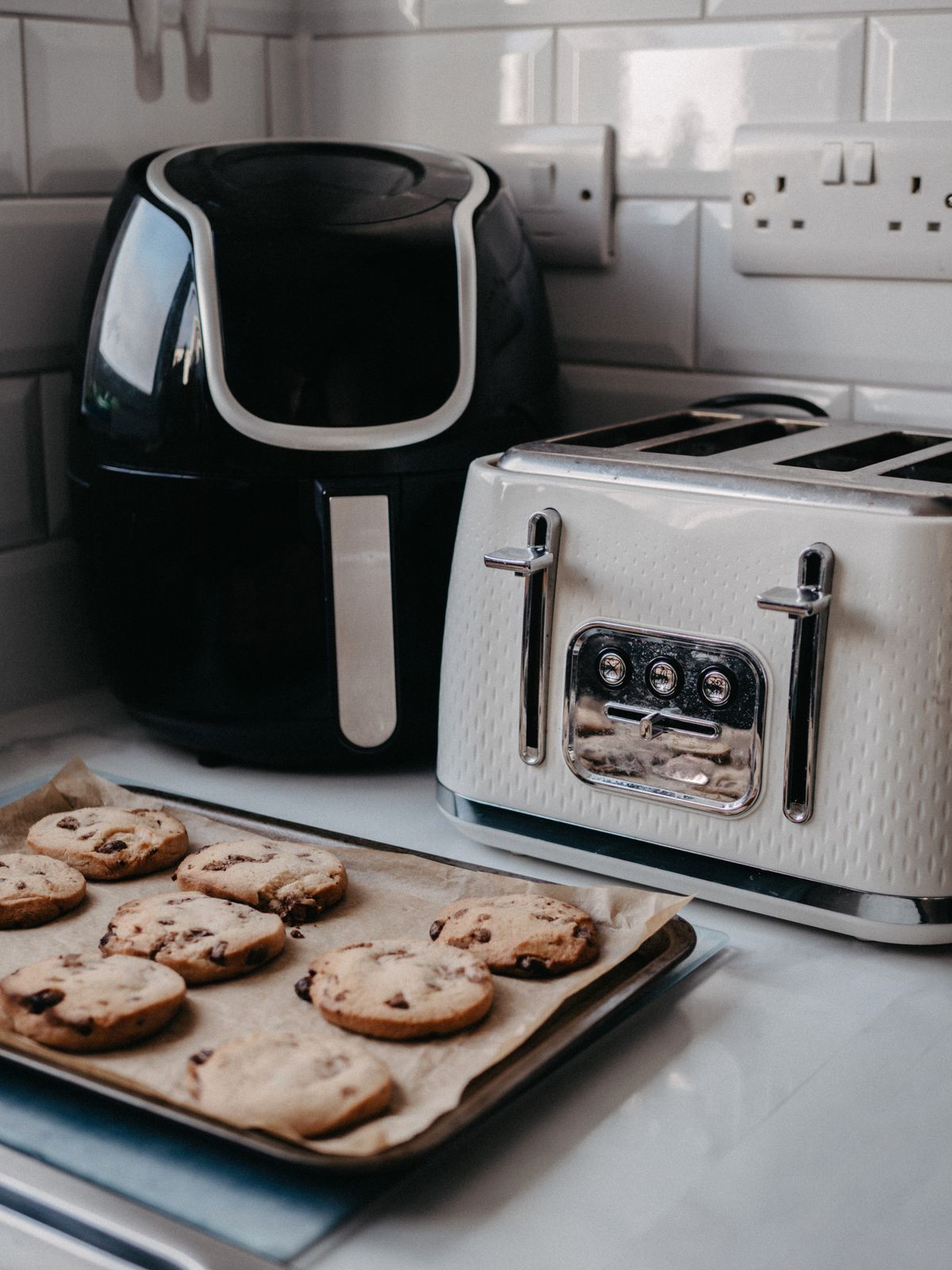
Instead of trying to prepare an entire week of finished meals, focus on the small tasks that repeatedly slow down cooking: chopping, blending, reheating, crisping, boiling water, brewing, slicing, and setting up ingredients.
Clear the main preparation area, empty the sink when possible, set out one cutting board, and place only the ingredients needed for the next task.
Wash produce, portion grains, prepare a sauce base, chop a frequently used vegetable, or portion breakfast ingredients for easier assembly later.
Let a food processor handle chopping, a blender handle a sauce, or an air fryer handle a crisp component while you prepare the rest of the meal.
Pack leftovers, cool removable components appropriately, wipe the main surface, and leave the kitchen ready for the next meal instead of the next cleanup.
A fast meal becomes easier when you separate the process into three jobs. Prepare only what needs preparation, assign cooking to the most efficient appliance, then finish with fresh elements that preserve texture and flavor.
Use the beginning of the process for chopping, slicing, blending, juicing, mixing, or portioning. The goal is to turn raw ingredients into components that are immediately ready to cook or serve.
Choose the appliance that best fits the portion and texture you want. Small-format cooking can reduce preheat time, shorten cleanup, and keep several meal components moving at once.
Add herbs, crisp vegetables, sauces, toasted bread, hot water, coffee, or a final breakfast element just before serving. Finishing at the end keeps quick meals from feeling overly pre-made.
Speed often comes from sequence rather than power. A clear order of operations prevents repeated cabinet searches, unnecessary tool changes, duplicate washing, and waiting for one task before another can begin.
What is the main component of the meal: a protein, vegetable, grain, sandwich, breakfast item, soup, smoothie, or bowl?
Once the anchor is clear, every supporting ingredient can be chosen around it instead of building the meal through last-minute decisions.
Which element needs the longest uninterrupted cook, heat, boil, roast, or brew time?
Starting the longest task first creates a useful window for chopping, blending, preparing sauces, setting the table, or cleaning as you go.
Can one appliance process several ingredients in sequence before it needs to be fully washed?
Preparing similar tasks together reduces setup and cleanup cycles, especially with food processors, blenders, and chopping accessories.
What can be added at the end to bring contrast: herbs, lemon, crisp vegetables, toasted bread, sauce, seeds, or a fresh drink?
One fresh finishing step makes a simple meal feel more intentional without adding another complicated cooking process.
What can be rinsed, wiped, returned, or stored while the final component finishes?
A five-minute reset after the active prep phase prevents a quick meal from creating a long cleanup later.
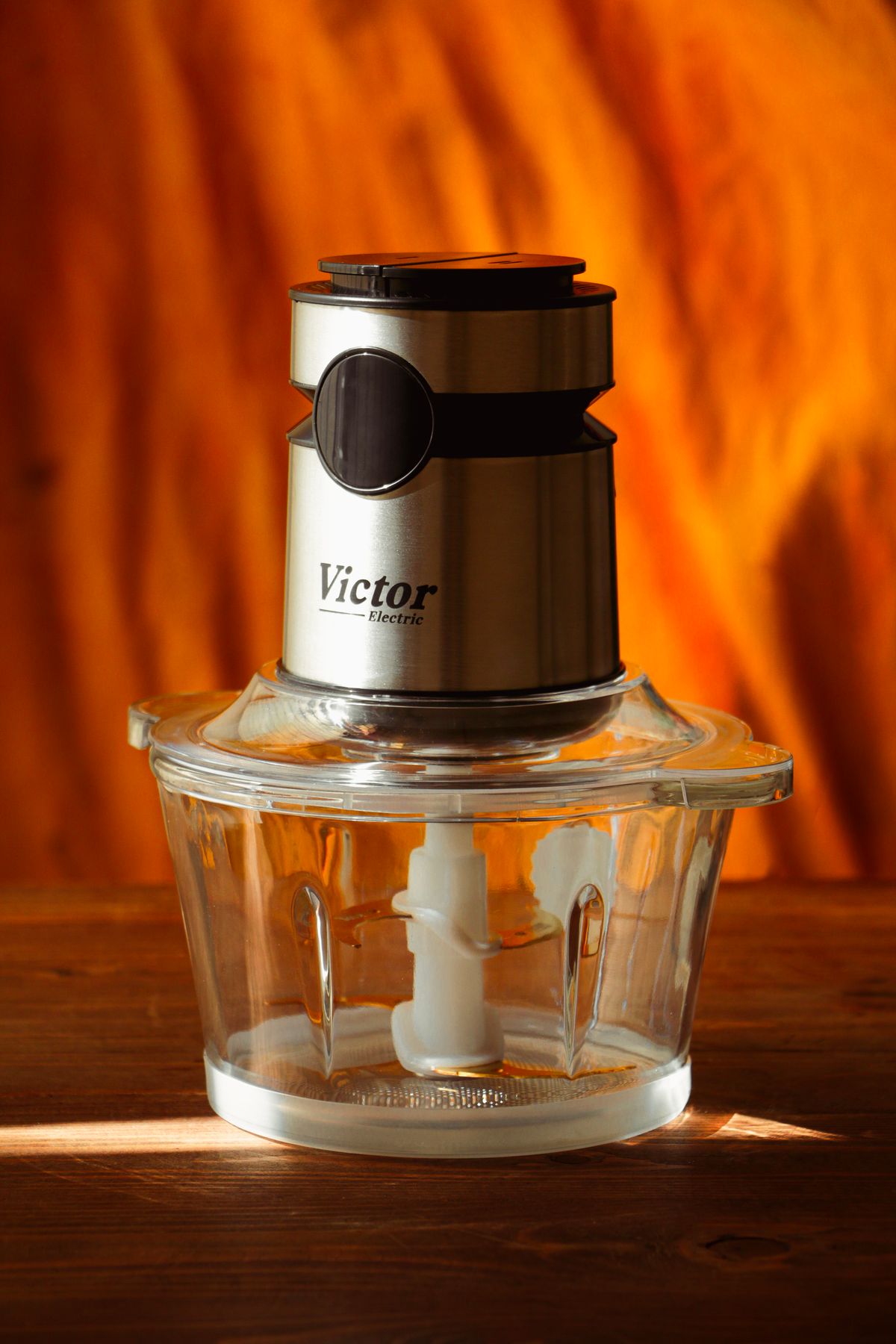
A streamlined kitchen is easier to use when every appliance has an obvious role. That role may be broad, but it should still be understandable in a sentence: crisp dinner quickly, chop ingredients in batches, make breakfast automatic, or prepare beverages without extra cookware.
These are flexible meal structures rather than strict recipes. Change proteins, vegetables, grains, sauces, and seasonings based on what you enjoy and what you already have.
Cook a seasoned protein and vegetables in an air fryer while preparing a quick sauce. Serve over rice, grains, greens, or warm bread for a complete meal with minimal active cooking.
Build sandwiches while vegetables roast or reheat nearby. A toaster oven can handle both tasks in sequence without requiring a full-size oven for a small midday meal.
Keep breakfast simple with toasted bread, fresh fruit, and coffee prepared through a repeatable morning setup.
Blend fruit, dairy or an alternative base, and other preferred ingredients while toast or a warm side finishes separately.
Process several vegetables at once, store them appropriately, and build bowls throughout the week with grains, proteins, sauces, and fresh toppings.
Prepare batter components in advance, then cook waffles while coffee or hot water is prepared alongside for an easy breakfast ritual.
Pair a fresh juice routine with toast, waffles, or another simple breakfast so the beverage remains the only preparation-intensive element.
Use direct heat for vegetables and proteins while preparing a cold salad, sauce, or grain base separately for a balanced meal with clear parallel tasks.
Quick prep becomes easier when a small group of versatile ingredients can move between breakfast, lunch, dinner, snacks, and beverages without requiring a new shopping list for every meal.
Build a pantry that gives you options, then let appliances shorten the work between ingredients and the finished plate.
Rice, oats, pasta, bread, tortillas, and other familiar staples can turn small prepared components into complete meals quickly.
Choose proteins that suit your household and can be portioned, grilled, roasted, reheated, or added to bowls and sandwiches.
Frozen vegetables can reduce washing and chopping while remaining useful for air frying, roasting, soups, bowls, and sides.
Herbs, citrus, greens, crunchy vegetables, sauces, and toppings can make a simple prepared base feel fresh at serving time.
Bread, oats, fruit, coffee, tea, and waffle ingredients support quick mornings when appliances are positioned for daily use.
Keep a few dependable seasonings, oils, vinegars, condiments, and sauces that can quickly change the direction of familiar ingredients.
The goal of quick meal prep is not to move frantically. It is to create a kitchen rhythm where ingredients, appliances, counter space, and cleanup are arranged so fewer decisions interrupt the process.
The best quick-prep appliance should solve a task that already appears in your weekly routine. It should not require you to create a new lifestyle simply to justify its place on the counter.
Estimate how often the appliance would realistically be used. A device that removes ten minutes from a task five times a week may be more valuable than one that saves thirty minutes once a month.
Fast cooking can be undermined by complicated cleanup. Look at removable components, food-contact surfaces, crumb collection, grease management, blade access, and how easily pieces return to storage.
Measure the full operating footprint, not only the appliance body. Include doors, lids, baskets, handles, vents, water reservoirs, cord position, and the space required to safely serve food.
Heatelle serves U.S. households with practical countertop cooking and food-preparation appliances. Our shopping experience is supported by free shipping, fast delivery, a generous return window, and customer support available whenever you need assistance.
All answers stay collapsed until selected, keeping the page easy to scan while allowing you to open only the topics relevant to your kitchen.
Start with one repeated meal period rather than your entire week. If dinner is the biggest challenge, identify two or three tasks that repeatedly consume time, such as chopping vegetables, reheating, roasting, or preparing sauces, then organize your routine around making those tasks easier.
No. Component prep is often more flexible. Preparing chopped vegetables, cooked grains, sauces, washed fruit, or portioned ingredients allows you to assemble different meals while avoiding the feeling of eating the same finished dish repeatedly.
It depends on the task you repeat most. Air fryers are useful for crisp cooking and reheating, toaster ovens add compact oven flexibility, and electric grills provide direct heated surfaces for proteins, vegetables, and sandwiches.
It can be especially useful when chopping, slicing, shredding, or mixing is a major part of your weekly cooking. Its value increases when you prepare larger quantities or several ingredients in one prep session.
A blender is generally better suited to liquid-heavy tasks such as smoothies, sauces, soups, purees, and dressings. A food processor is generally better suited to chopping, slicing, shredding, and solid-food preparation.
Keep breakfast ingredients together, make coffee or hot water part of a repeatable sequence, and use appliances such as toasters, coffee makers, electric kettles, or waffle makers for clearly defined tasks. Reducing morning decisions is often more useful than adding extra recipes.
Keep appliances visible when they are used frequently enough to justify the space. Daily coffee makers, kettles, or toasters often stay out, while larger food processors, juicers, waffle makers, or occasional-use tools may be better stored nearby.
Reuse tools when appropriate, prepare similar ingredients together, place a small waste bowl near the cutting area, rinse removable parts before residue dries, and clean inactive tools while another component cooks.
Yes. Depending on the model, toaster ovens can support reheating, roasting, small-format baking, warming, and other compact oven tasks. Always follow the functions and operating guidance for the specific appliance.
Plan around the usable capacity of the appliance and avoid overfilling cooking baskets, blending containers, processor bowls, or cooking surfaces. Product instructions should always take priority for specific capacity and operating limits.
Prepare neutral foundations and change the finishing elements. The same grains, vegetables, or proteins can move in different directions through sauces, herbs, seasonings, crunchy toppings, breads, and fresh sides.
A juicer can fit a quick-prep routine when fresh juice is something you make regularly and the cleaning process fits comfortably into your schedule. For occasional use, consider whether preparation and cleanup time align with the convenience you want.
Beyond tea and coffee preparation, an electric kettle can provide hot water quickly for appropriate food and beverage tasks. Always follow the appliance instructions and use it only for its intended purpose.
Follow the specific product instructions. In general, food-contact components are easier to clean before residue dries. Handle blades and sharp parts carefully, disconnect appliances when required, and never immerse electrical components unless the manufacturer specifically allows it.
Yes. Heatelle provides free shipping on all products.
Heatelle orders are delivered in 3–5 business days.
Heatelle provides free returns and exchanges within 30 days.
Yes. Heatelle provides 24/7 customer support.
Yes. Heatelle offers 15% Off for Subscribers.
Build a simple sequence, choose appliances that remove repetitive work, keep a few flexible ingredients close, and leave enough room for cooking to remain enjoyable.
Return to Quick Prep Guide